The Value of Property Reinstatement Cost Assessments
07 January 2026Insurance costs across London are rising, and insurers are taking a closer look at how buildings are valued. If a property is damaged, the question is no longer what it is worth on the market, but what it would genuinely cost to rebuild. That is where a reinstatement cost assessment becomes essential.
A current, professionally prepared reinstatement cost assessment helps property owners avoid two common problems: being underinsured or paying more than necessary for cover. It gives insurers confidence that the policy is based on realistic figures, not assumptions. In London, where construction costs vary widely by location, access and building type, relying on outdated figures can leave owners exposed.
What a reinstatement cost assessment actually covers
Market value and rebuild cost are often confused, but they are very different. Market value reflects demand and location. Reinstatement cost is about the practical reality of putting a building back if the worst happens.
Many owners update their market valuation regularly but continue to insure based on rebuild figures set years ago. That is where risk creeps in.
If a building is underinsured, insurers can reduce a claim payout in line with the shortfall. This can leave owners funding part of the rebuild themselves, delay reinstatement works, or lead to disputes at exactly the wrong time.
Even small inaccuracies can have a big impact, particularly for taller buildings, older properties, or those with complex services and finishes.
Why overinsuring is not a solution
Overinsuring a building does not mean a higher payout in the event of a claim. It simply means higher premiums year after year.
Some policies include index linking, but not all. Others rely on broad square metre rates that fail to reflect the real challenges of a specific building, such as restricted access, heritage detailing or non-standard construction.
Getting the figure right protects both sides. It avoids unnecessary cost for the owner and uncertainty for the insurer.
Insurance pressures in the London market
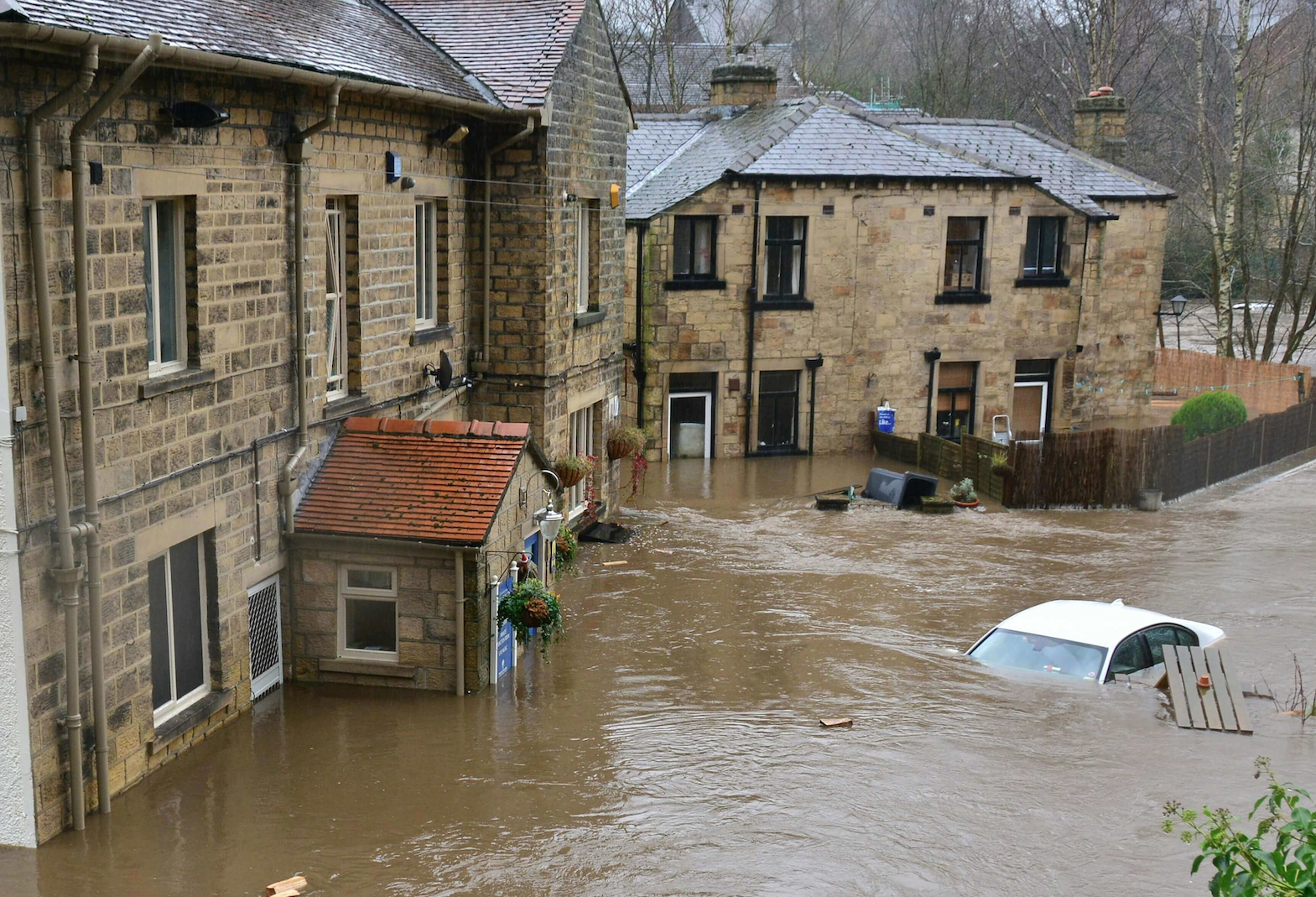
Fire, flood and structural claims have increased in recent years, and insurers are responding by tightening requirements. Many now request up-to-date reinstatement cost assessments before renewing cover. Others are increasing excesses or limiting payouts where figures are not properly supported.
London buildings often present additional complexity, including older construction methods, conservation or listed status, and higher labour and material costs. Keeping reinstatement values current is one of the simplest ways to avoid gaps in cover.
When to review your reinstatement cost
As a general guide, reinstatement cost assessments should be reviewed every three years. They should also be updated after significant refurbishment or extension works, when construction costs shift materially, or if requested by an insurer or broker.
At TCL Chartered Surveyors, we carry out detailed reinstatement cost assessments across residential and commercial property. Our advice reflects the realities of the building, its location, and how it would actually be rebuilt, giving owners figures they can rely on when it matters most.
