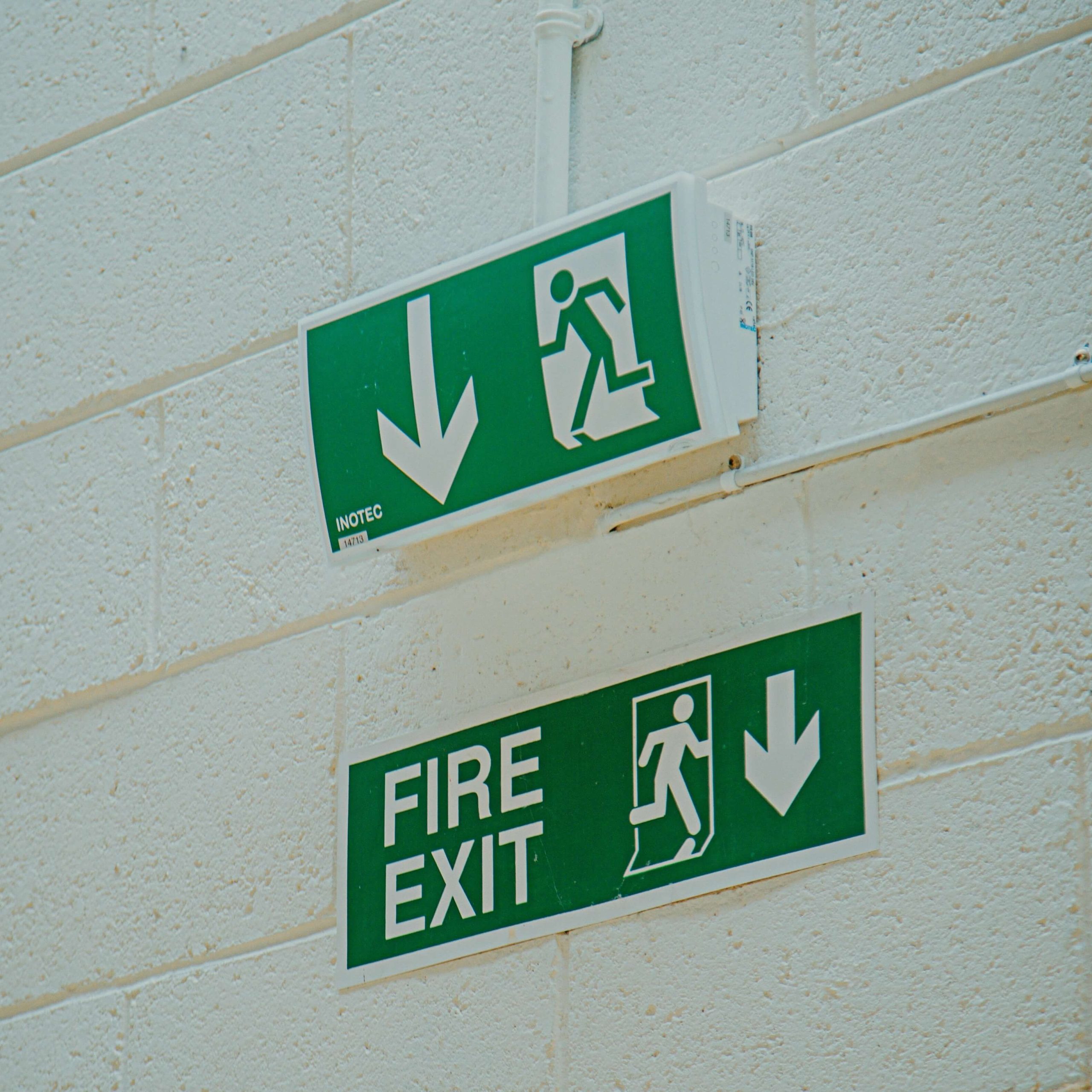
New Fire Safety Regulations for Residential Buildings: Plain Language Explainer
10 March 2026From 6 April 2026, new legislation called the Fire Safety (Residential Evacuation Plans) (England) Regulations 2025 will introduce additional responsibilities for those managing certain residential buildings in England.
The aim of the regulations is simple. They are designed to make sure residents who may struggle to evacuate during a fire have a clear plan and appropriate support in place.
Which Buildings Are Affected
The regulations apply to larger residential buildings that contain two or more homes and meet one of the following criteria:
- 18 metres or taller
- Seven storeys or more
- Over 11 metres high with a simultaneous evacuation strategy
These are typically blocks of flats or other multi-storey residential buildings.
Identifying Residents Who May Need Assistance
Under the new rules, the person responsible for managing the building must make reasonable efforts to identify residents whose ability to evacuate during a fire may be compromised.
This could include people with physical or cognitive impairments that make it difficult to leave the building without assistance.
Individual Fire Risk Assessments
Where a resident is identified as potentially needing help, the building’s responsible person must offer a person-centred fire risk assessment.
This assessment considers:
- The risks to that individual during a fire
- Any challenges they may face when evacuating the building
- Measures that could reduce those risks
If the resident agrees, practical steps can then be put in place to support their evacuation.
Emergency Evacuation Statements
Where an evacuation approach is agreed, it must be recorded in writing as an Emergency Evacuation Statement.
This document sets out how the resident would evacuate the building in the event of a fire and ensures both the resident and building management understand the agreed plan.
These assessments and evacuation arrangements must be reviewed at least once every 12 months, or sooner if circumstances change.
Information for Fire and Rescue Services
With the resident’s consent, basic information about residents who may need assistance must also be shared with the local fire and rescue authority.
This includes details such as:
- The resident’s flat and floor number
- The level of assistance they may require
- Whether an evacuation statement is in place
This information can be stored electronically or placed in a secure information box within the building, allowing firefighters to access it quickly if needed.
A Building-Wide Evacuation Plan
In addition to individual arrangements, the responsible person must prepare a building emergency evacuation plan.
This plan sets out the overall evacuation strategy for the building and any relevant instructions for residents. Like the individual assessments, it must be reviewed regularly and kept up to date.
Why This Matters
These regulations are intended to ensure that evacuation planning takes into account the needs of all residents, particularly those who may require assistance during an emergency.
For building owners and managers, it means taking a more structured approach to evacuation planning and ensuring that both individual and building-wide arrangements are clearly documented and regularly reviewed.

0 Comment